What Not to Do During Umrah

Common Mistakes to Avoid

By TI Umrah | Your Guide to a Peaceful and Accepted Pilgrimage

Umrah is one of the most profound spiritual experiences in a Muslim’s life. It’s a time of purification, reflection, and closeness to Allah. But to truly benefit from the journey, it’s important to know what not to do during Umrah.

This guide will help you avoid common mistakes, misunderstandings, and forbidden acts, ensuring that your Umrah is not only valid — but spiritually fulfilling and accepted.

1. Neglecting the Correct Intention (Niyyah)

Many people start Umrah without truly understanding or declaring the proper niyyah (intention) at the Miqat.

Mistake:

  • Rushing into Ihram or rituals without mentally preparing or verbally declaring intention.

What to Do:

  • At the Miqat, make a clear, conscious intention:

“Labbaik Allahumma Umrah”

  • Understand you’re now in a sacred state — both physically and spiritually

2. Violating the Rules of Ihram

The state of Ihram has sacred restrictions for both men and women.

Common Violations:

  • Using perfume or scented products

  • Cutting hair or nails after Ihram has begun

  • Wearing stitched clothing (for men)

  • Arguing, fighting, or using foul language

  • Harming animals or plants

  • Hunting or engaging in intimate acts

What to Do:

  • Use fragrance-free toiletries before Ihram

  • Once in Ihram, avoid any personal grooming that’s forbidden

  • Focus on humility, patience, and worship

3. Wearing Improper Clothing

Wearing the wrong clothes in Ihram can invalidate the sanctity of your state. For Men:

  • Wearing stitched garments (like T-shirts or underwear)

  • Wearing shoes that cover ankles and top of the foot

For Women:

  • Wearing tight or flashy clothes

  • Covering the face or wearing gloves during Ihram

What to Do:

  • Men must wear two white unstitched sheets and proper sandals

  • Women can wear any modest clothing that covers their body without covering the face

4. Being Distracted During Tawaf

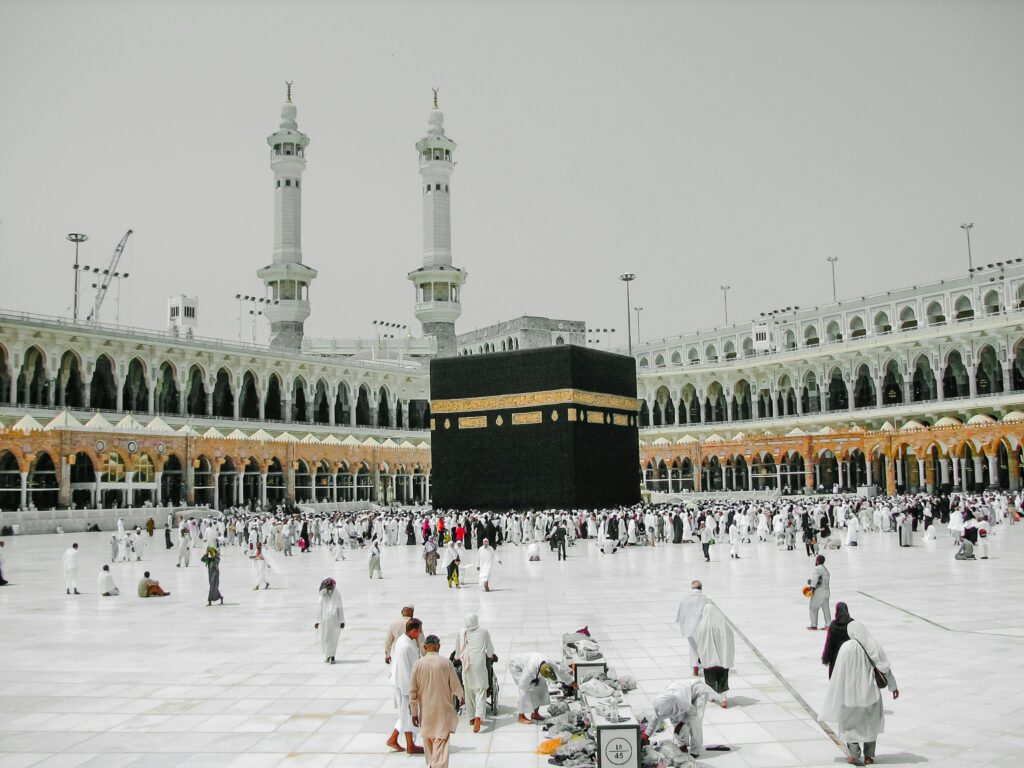
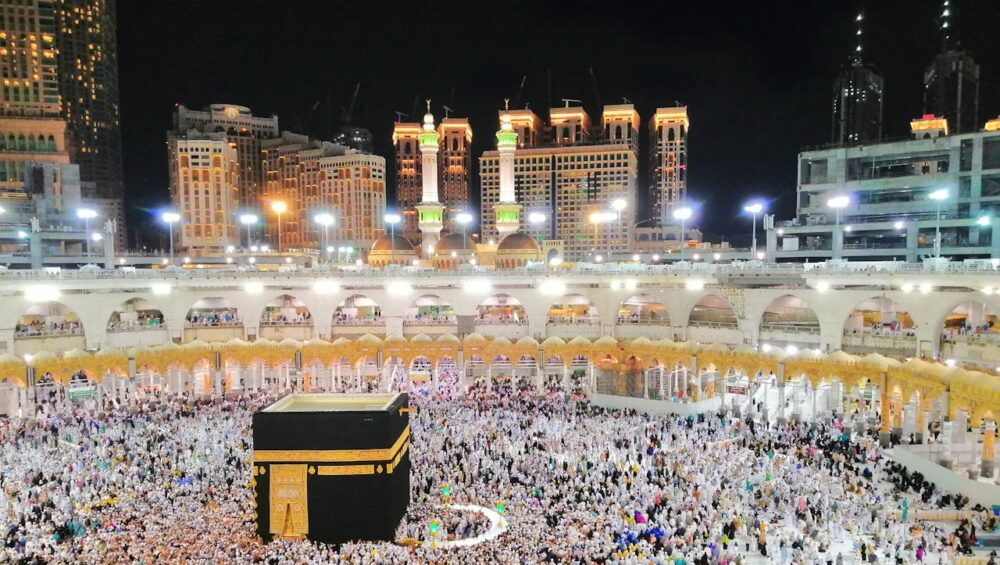
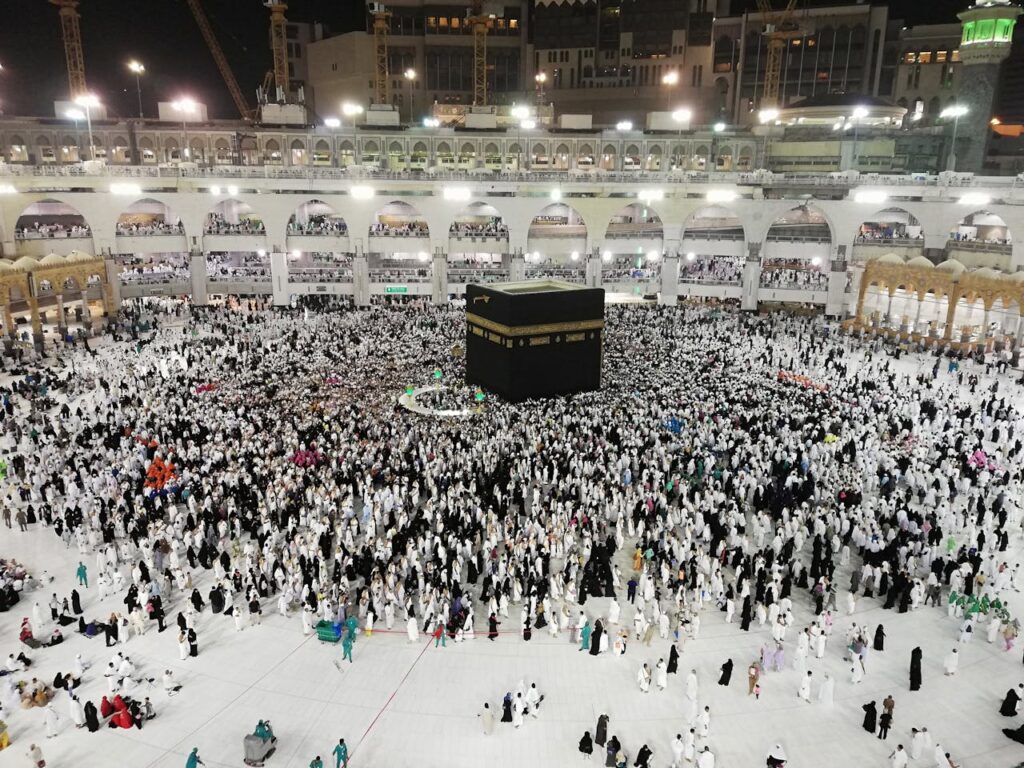
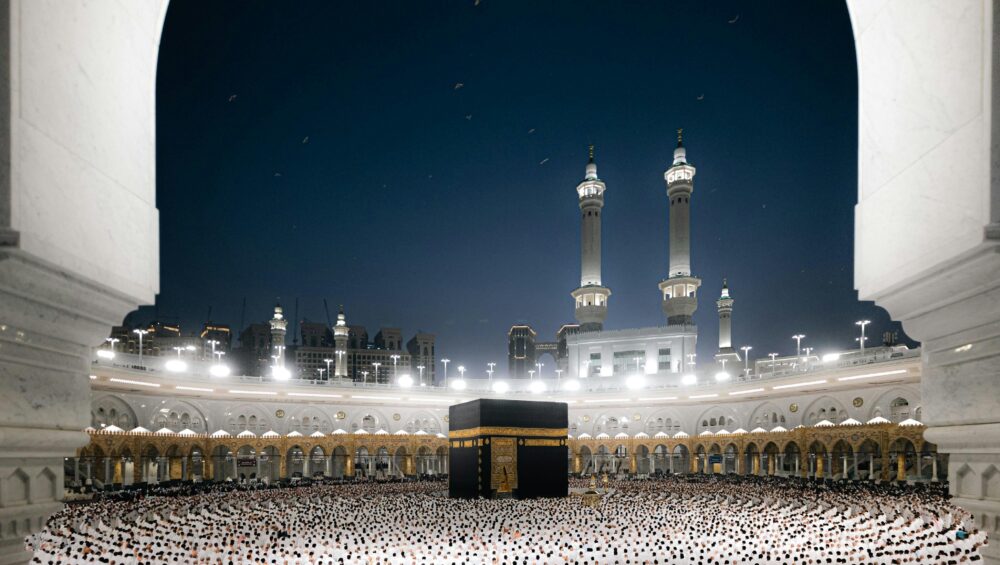
Tawaf around the Kaaba is a sacred act of worship — but many people treat it like a photo opportunity or social event.

Mistakes:

  • Taking selfies or videos while circling the Kaaba

  • Talking on the phone

  • Pushing or shoving others

  • Not completing 7 full rounds

What to Do:

  • Make dua, dhikr, or quietly reflect during Tawaf

  • Focus on sincerity, not social media

  • Respect others’ space and flow with the crowd

5. Not Understanding the Rituals

Many first-timers perform Umrah without knowing the meaning or significance of what they’re doing.

Mistakes:

  • Following the crowd blindly

  • Not knowing what to say or when to say it

  • Rushing through rituals with no focus

What to Do:

  • Study Umrah rituals before you go

  • Prepare a small dua booklet

  • Ask scholars or guides if you’re unsure

At TI Umrah, we provide pre-travel sessions and educational material to help you prepare properly.

6. Improper Hair Cutting After Umrah

The final step of Umrah is Halq (shaving) or Taqsir (trimming) of the hair.

Mistakes:

  • Men trimming just a small part of the hair

  • Women cutting too much

  • Cutting each other’s hair in random public places

What to Do:

  • Men should shave the entire head (Halq) or trim all over (Taqsir)

  • Women should trim a fingertip-length of hair

  • Go to licensed barbers nearby or cut in privacy with cleanliness
How to Perform Umrah

How to Perform Umrah

By TI Umrah | Your Trusted Guide to the House of Allah


Umrah is a deeply spiritual act of worship — a lesser pilgrimage that can be performed any time of the year. Though it’s not obligatory like Hajj, the rewards of Umrah are immense, and every Muslim should try to perform it at least once in their lifetime.

If you’re planning your first Umrah, this detailed step-by-step guide will help you understand the full process with ease and clarity.

Step 1: Prepare for the Journey

Choose Your Time

Umrah can be performed year-round, but consider:

  • Ramadan: Highest spiritual reward.

  • Off-season months: Fewer crowds and lower costs.

  • School holidays: Good for family trips

Visa & Documents

To enter Saudi Arabia for Umrah, you’ll need:

  • A valid passport

  • A confirmed Umrah or tourist visa

  • Vaccination certificates (especially meningitis, COVID-19)

  • A printed flight ticket and hotel booking confirmation

TI Umrah can handle the entire visa process for you.

Pack Smart

  • Ihram clothes (2 white, unstitched cloths for men; loose, modest dress for women)

  • Unscented toiletries (soap, deodorant, wipes)

  • Flip-flops/sandals

  • Small bag for shoes during Tawaf

  • Water bottle and light snacks

  • Dua book, Tasbih, prayer mat

Step 2: Enter the State of Ihram

Ihram is a sacred state every pilgrim must enter before beginning Umrah.

For Men:

  • Wear two unstitched white cloths (izar and rida)

  • Sandals or slippers that do not cover the ankle and top of the foot

For Women:

  • Any modest, loose-fitting clothing (no specific color required)

  • Hair must be fully covered

  • Hands and face should remain uncovered

Where to Enter Ihram:

At a Miqat (designated boundary point). Common Miqat locations:

  • Pilgrims from India often enter Ihram on the flight, shortly before reaching Miqat (usually over Yalamlam)

Recite Niyyah (Intention)

“Labbaik Allahumma Umrah”

Then, start chanting the Talbiyah:

“Labbaik Allahumma Labbaik. Labbaik la sharika laka Labbaik. Innal-hamda, wan-ni’mata, laka wal-mulk, la sharika lak.”

Continue this until you begin your Tawaf.

Step 3: Perform Tawaf

When You Enter Masjid al-Haram:

  • Enter right foot first, reciting:

“Bismillah, Allahumma salli ‘ala Muhammad. Allahummaghfir li dhunubi, waftah li abwaba rahmatik.”

Begin Tawaf:

  • Face the Black Stone (Hajar al-Aswad) and make Niyyah.

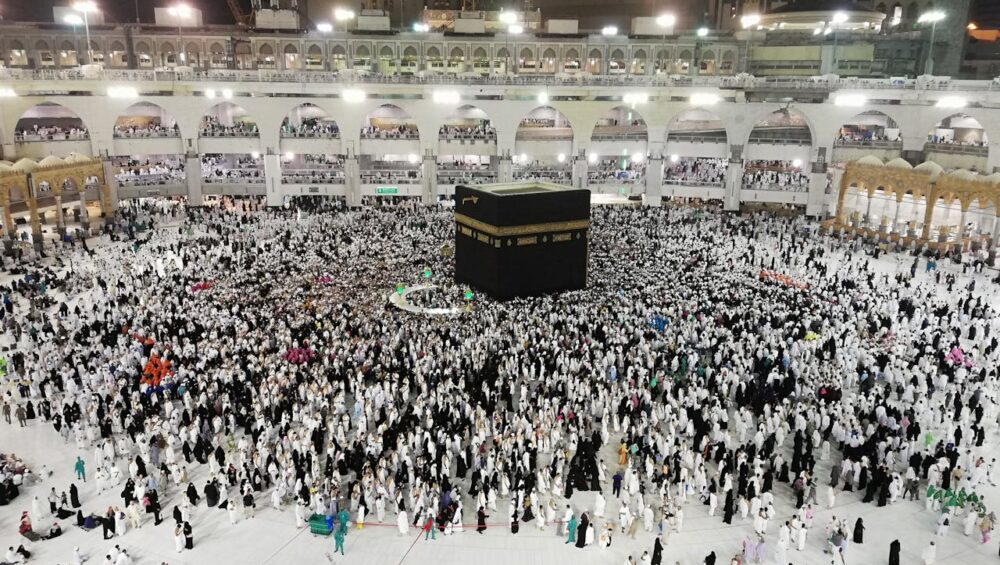
  • Start from the corner of the Kaaba with the Black Stone, and circle seven times counterclockwise.

  • Each round begins and ends at the Black Stone.

  • Say any duas, dhikr, or Qur’an you remember — there’s no fixed text.

  • In the first three rounds, men may jog lightly (raml), and in all rounds, keep your left shoulder facing the Kaaba.

After Tawaf:

  • Pray 2 rak’ahs behind Maqam Ibrahim, if possible.

  • If crowded, pray anywhere within the mosque.

  • Drink Zamzam water, and make heartfelt duas.

Step 4: Perform Sa’i (Walking Between Safa and Marwah)

Go to Safa Hill, make intention:

“I begin Sa’i between Safa and Marwah for the sake of Allah.”

  • Start walking from Safa to Marwah, then back to Safa.

  • Repeat this 7 times (ending at Marwah).

Between the green lights, men should jog briskly.
Women walk at a normal pace throughout.

You can make duas, dhikr, and praise Allah during Sa’i.

Step 5: Shaving or Trimming the Hair (Halq or Taqsir)

After Sa’i, end your Umrah with:

  • Men: Either shave all hair (Halq) or trim it all around (Taqsir)

  • Women: Trim a fingertip’s length from the end of their hair

This act symbolizes renewal and submission to Allah.

You are now out of Ihram. Umrah is complete.
All Ihram restrictions are lifted.

Final Words

Umrah is not just a ritual — it’s a spiritual cleansing, a rebirth, and a gift from Allah. Whether it’s your first time or your tenth, each Umrah is unique and filled with divine moments.

At TI Umrah, we’re honored to guide you on this sacred journey. Let us handle the travel, so you can focus on what truly matters — your relationship with Allah.

Why Umrah Is Important – Muslim Should Experience

Why Umrah Is Important

By TI Umrah |

Umrah is more than just a religious ritual — it is a deeply spiritual journey that renews the heart, purifies the soul, and brings a Muslim closer to Allah. Though it is not obligatory like Hajj, the importance of Umrah in Islam is undeniable. It is a powerful opportunity for forgiveness, spiritual rebirth, and immense reward.

In this blog, we explore why Umrah is so important, its spiritual value, and why you should consider performing it at least once in your lifetime.

What Is Umrah?

Umrah, often referred to as the “lesser pilgrimage,” is a Sunnah act of worship that can be performed at any time of the year. It consists of four simple but powerful rites:

  1. Ihram – Entering the state of sacred purity

  2. Tawaf – Circling the Kaaba seven times

  3. Sa’i – Walking between the hills of Safa and Marwah

  4. Halq or Taqsir – Shaving or trimming the hair

Unlike Hajj, Umrah is not bound to a specific date, making it more accessible for Muslims around the world.

The Spiritual Importance of Umrah

1. A Path to Forgiveness

The Prophet Muhammad ﷺ said:

“One Umrah to another is an expiation for what comes in between.”
(Sahih al-Bukhari, Sahih Muslim)

Umrah wipes away sins committed between two pilgrimages. It is a beautiful way to seek forgiveness and start a new chapter in life, spiritually cleansed.


2. A Direct Invitation to the House of Allah

Performing Umrah means stepping into the Kaaba’s presence — the most sacred place on Earth. Every second spent there, every prayer offered, is filled with reward.

Being a guest in Allah’s House is a great honor, and many feel a profound emotional and spiritual transformation during their visit.


3. Multiplied Rewards in Makkah

Worship performed in Masjid al-Haram carries exponentially greater rewards. One prayer there equals 100,000 prayers anywhere else!

This means that your duas, tahajjud, and even quiet moments of reflection during Umrah carry immense spiritual weight.


4. Following the Sunnah of the Prophet ﷺ

The Prophet Muhammad ﷺ performed Umrah multiple times and encouraged others to do the same. Following in his footsteps strengthens our connection to him and helps us live the life he modeled for us.


5. A Journey of Patience, Discipline, and Faith

From wearing Ihram to walking in the scorching sun, Umrah teaches you:

  • Patience in crowded places

  • Gratitude for simple blessings

  • Discipline in time and worship

  • Unity as you walk beside Muslims from every corner of the world

You leave Umrah not just spiritually lighter, but also emotionally and mentally transformed.

When Should You Perform Umrah?

Umrah can be performed any time of the year, but some periods hold even greater value:

  • Ramadan: The Prophet ﷺ said, “Umrah in Ramadan is equal to Hajj in reward.”

  • Shawwal, Dhul Qa’dah: These are sacred months leading up to Hajj season.

  • Off-peak months: Easier access, smaller crowds, and less expensive packages.

Umrah in the Qur’an and Hadith

  • “And complete the Hajj and Umrah for Allah…”
    Qur’an 2:196

  • “Hajj and Umrah remove poverty and sins just as the bellows remove the impurities from iron.”
    Tirmidhi, Hadith 810

These texts emphasize the immense spiritual and worldly benefits of this sacred journey.

How TI Umrah Helps You on This Journey

At TI Umrah, we offer:

  • Visa support & guidance

  • Hotel bookings close to the Haram

  • Airport transfers & Ziyarah tours

  • 24/7 assistance during your trip

  • Packages for individuals, families & groups

We remove the stress so you can focus on what matters: your connection with Allah.